
Angelite

Angelite is a stone that owes its name to the English expression "the angel stone," which literally means the stone of angels. It belongs to the anhydrite family, which comes from the Greek word "anhudros," meaning "without water." Its precise date of appearance is impossible to pinpoint, and we have no legends associated with this stone. It was discovered in 1804 by Abraham Gottlob Werner (1750–1817), a Saxon mineralogist and geologist.
This stone is unique in that it is water-free. Traditionally, it is associated with wisdom and spiritual fulfillment. It is said that if this stone is placed under intense light, the soul of an angel can be glimpsed. Purchasing angelite is believed to bring you peace of mind.
This stone is commonly used in jewelry in cabochon form, set in pieces. Its distinctive blue color easily sets it apart from other stones. This blue can vary in shade, ranging from light to dark. Regardless, this color on jewelry is captivating and leaves no one unmoved. In fact, there is a choir named after Angelites, the Bulgarian Voices, because their voices evoke those of angels.
The main deposits are located in Peru.
Origin and composition of Angelite stone
Angelite is a crystal primarily composed of calcium sulfate. It is a naturally occurring sulfate, generally milky blue in color. The intensity of its blue hue is mainly due to its composition and geographical origin. However, in some cases, angelite may be white, pink, or purple. This phenomenon occurs in the presence of metals, thus altering its color. Gem enthusiasts and connoisseurs are particularly drawn to the various shades of blue found in angelite.
Angelite belongs to the orthorhombic crystal system, whose unit cell is a right prism with a rectangular base. The three axes are of slightly different lengths, but all have angles equal to 90°. It has a conchoidal fracture, meaning a clean, curved, and smooth fracture, or an irregular fracture. Its luster varies; it can be greasy vitreous, waxy, or pearly. It is found in transparent to translucent forms.
The virtues of angelite in lithotherapy
Its benefits on a psychological level
Angelite is a stone of serenity; it is not a stone of combat, but a stone of acceptance. It fosters inner peace, promotes patience, and encourages self-acceptance. Simultaneously, this awareness can lead to a rebirth, allowing for the soothing of psychological and emotional pain, bitterness, and frustrations.
Angelite promotes endurance and stability, dispelling fear, anger, and anxiety. It is a comforting stone, full of compassion. It promotes restful sleep filled with pleasant dreams, helping to combat stress and tension. It is ideal for managing emotions and provides a liberating sense of calm.
Those who carry this stone will gain confidence and self-assurance. They will finally be able to express themselves clearly and openly. Furthermore, they will be more open to others, filled with compassion and empathy.
Anger and mood swings quickly dissipate with the wearing of angelite. It brings peace and relaxation to both body and soul. Thus, it is said to be the Stone of Angels and to maintain the connection with guardian angels, opening the path to spirituality.
This stone is known to make nightmares disappear in children. Simply place a stone under the mattress of the troubled child and they will sleep peacefully.
Its physical benefits
Angelite promotes the proper functioning of the throat chakra. It is a stone that encourages good fluid circulation.
It also promotes the proper functioning of the root chakra.
It restores the body's fluid balance and helps relieve tension in the body.
In new mothers, it promotes breast milk production and also helps to combat postnatal sadness.
Angelite and associated astrological signs

Angelite is a stone that can be worn by all zodiac signs. However, its qualities are accentuated in the following signs:
-Aquarius: A symbol of modernity, friendship, and brotherhood, this sign represents revolutions and anarchy. He lives in his thoughts and dreams of a better world. He is very altruistic, and angelite is a stone that allows him to show compassion and empathy towards others. However, he can be very intolerant, developing a marginal and antisocial attitude. In love, he doesn't desire overly passionate relationships, preferring a more intimate, friendship-based romance.
-Virgin : A symbol of analysis and organization, this sign demonstrates great logic and a perfectionist streak. When anxious, it displays considerable shyness. Wearing an angelite helps it gain confidence and self-assurance. This sign seeks security, is very meticulous, and obsessed with housework. Despite its modesty, it is naturally extremely helpful and altruistic. In matters of the heart, it is very reserved, highly critical, and not at all sentimental. It is perfectly content being single. If it chooses to enter into a relationship, it is more for practical reasons than for love.
-Balance: A symbol of balance, peace, and justice, this sign represents unity and partnership. It embodies great elegance and sociability. Those born under this sign abhor solitude and crave being surrounded by others and admired. They often exhibit indecisiveness, which can irritate those around them. However, they are known for their interpersonal skills. They enjoy engaging with others, and the angelic influence amplifies their kindness and interest in others. In love, they are highly romantic and seek harmonious relationships. They cannot bear solitude and choose to enter into a relationship early in life.
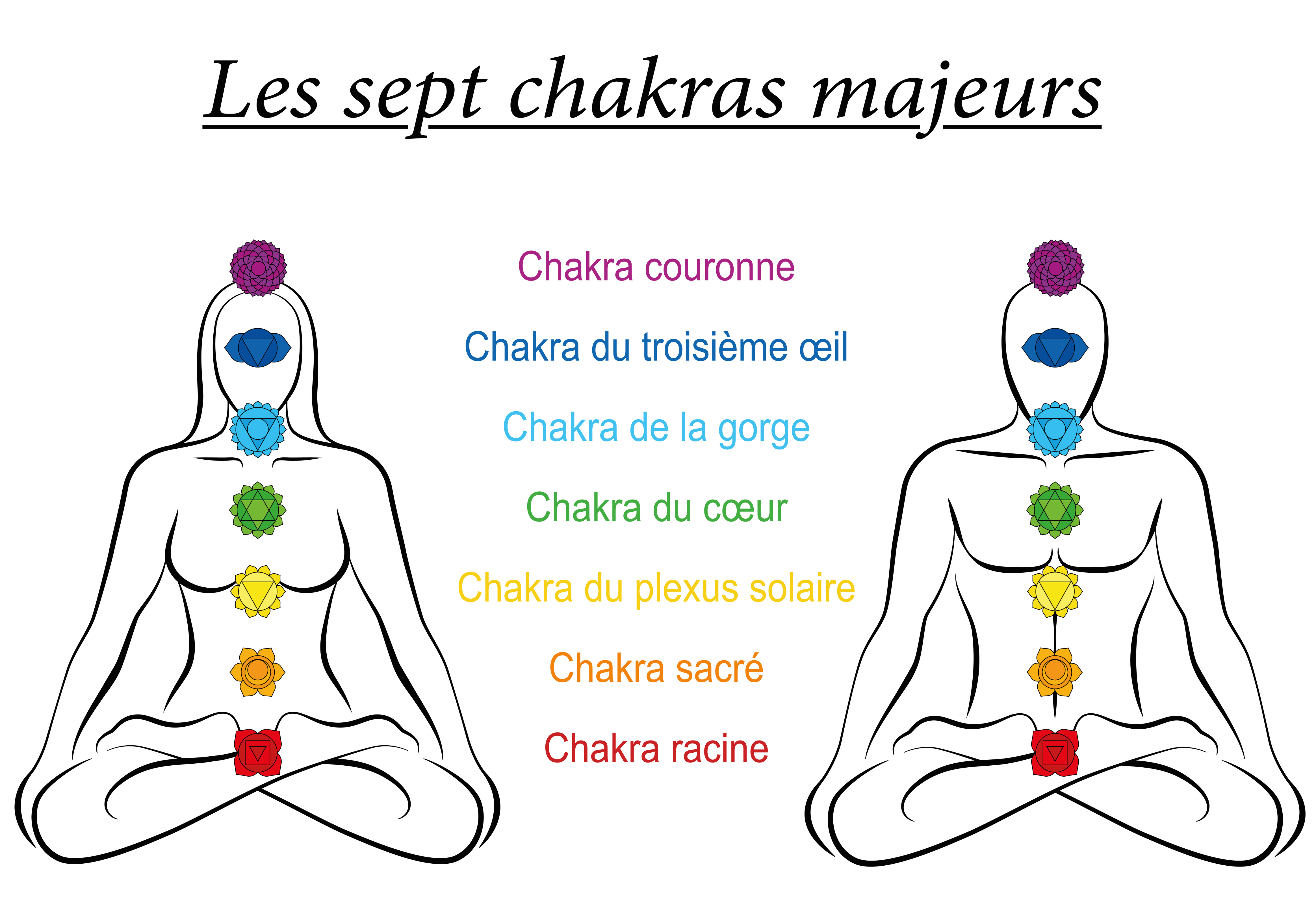
Angelite acts on the throat chakra. This chakra is a chakra of expression and communication; it influences the ease of communicating in harmony and serenity, while expressing one's true personality as accurately as possible.