
Rhodonite

Rhodonite is a beautiful mineral belonging to the silicate group and the pyroxenoid family. Its main components are manganese and silicon, with inclusions of iron, magnesium, and calcium. Depending on the elements present in its composition, rhodonite can have various hues such as gray, brown, or pink. Occasionally, this stone is a deep red.
Reddish-pink in color, it is translucent, rarely transparent. Its luster is vitreous, pearly, and its cleavage is perfect. Rhodonite forms during the metamorphism of sedentary manganese ore deposits. This process gives it its beautiful pink color, along with the natural oxidation of black veins of manganese dioxide caused by heavy rainfall.
It has a hardness of 5.5 to 6.5 on the Mohs scale, giving it medium hardness. For comparison, diamond has a hardness of 10, the highest on the same scale. This stone is found in the form of prisms or tablets, arranged in granular and massive aggregates. It is found in metamorphic rocks or hydrothermal deposits.
Pink stone is formed through contact metasomatism, a geological process in which one mineral is replaced by another within the same rock, atom by atom, molecule by molecule. This process thus creates a new variety of mineral.
In 1820, this stone was first identified by the German chemist and geologist Friedrich August. Its etymology is linked to the stone's color and comes from the Greek word rhodon, meaning rose. This same root is used for another stone, rhodochrosite, a pale pink stone with white markings. Furthermore, rhodonite belongs to the garnet group, while rhodochrosite is a calcite.
There are no particular legends or myths associated with rhodonite. During archaeological excavations, amulets and other rhodonite jewelry dating back to ancient Greece have been found. It was said that this stone protected its wearer from attacks by criminals or from harsh weather.
A symbol of protection and affection, this pink stone was given to loved ones to express feelings of goodwill.
In the 19th century, this stone was greatly admired in Russia. As the story goes, Tsar Alexander II, Emperor of Russia from 1855 to 1881, became a widower in 1880. Upon the death of his beloved wife, who adored the magnificent pink stone, commissioned a tomb carved entirely from a single, immense block of rhodonite weighing 40 tons. It was the largest block of rhodonite ever found in the world. It took more than 15 years to complete this pink tomb.
Today, rhodonite can be found in museums, palaces, and even in a metro station in Saint Petersburg. Vases, basins, and columns have been covered with this fabulous stone. Rhodonite was also used to decorate buildings. It is currently used in jewelry making and in crystal healing.
The various deposits are located in Madagascar, Brazil, Australia, etc.
The properties of rhodonite in crystal healing
Its benefits on a psychological level
Rhodonite combines the soothing properties of pink with the protective virtues of its black veins. Thus, it is a stone of protection against negative emotions such as jealousy, frustration, and anger. It wards off harmful, excessive, and controlling romantic relationships.
By repelling these negative energies, rhodonite fosters quality communication. It resolves conflicts and unspoken resentments, particularly among siblings. It encourages reconciliation. It thus allows one to face life's challenges with serenity, strength, and kindness.
This stone soothes those who are overly emotional, nervous, stressed, and suffering from crippling shyness. It fosters open-mindedness, teaching one to listen to others, compassion, and tolerance. Rhodonite aids in forgiveness, first towards oneself, then towards others. It gently guides one towards understanding and building bridges.
This fabulous mineral also helps overcome blockages and emotional traumas linked to the past. It gives the strength to confront a painful past or a bad experience. It can also be recommended for couples who need to strengthen their relationship and reinforce their trust. Furthermore, rhodonite helps one realize that resentment and revenge are not solutions. It encourages forgiveness.
In conclusion, rhodonite helps with conflict resolution, healing emotional wounds, communicating constructively, and self-love. It also facilitates forgiveness in general and allows one to move on.
His powers on the physical plane
Rhodonite promotes good circulation of bodily fluids and significantly reduces the feeling of heavy legs. It is an anti-stress stone, thus reducing nervous tension, skin reactions, and digestive problems.
It is said to strengthen the immune system and help our body fight attacks from various viruses as a complement to drug treatment.
This stone is recommended for students during exam periods to help them manage their stress and increase their ability to concentrate.
Placing a rhodonite stone in a bedroom will promote restful, nightmare-free sleep. It will also provide a feeling of vitality upon waking.
Rhodonite and astrological signs

Rhodonite possesses powerful properties that affect all signs of the zodiac. However, certain astrological signs develop a particular affinity with the stone. This is the case for the following signs:
-Gemini: A symbol of communication, exchange, and curiosity, this sign represents movement, studies, and the mind. Wearing rhodonite softens him and helps him better manage his shyness and anxiety. Yet, he is a true entertainer who is always in a good mood. His company is pleasant and sought after. He is agreeable, talkative, and fun-loving. He is curious and always eager to learn. He behaves like a perpetual student. He possesses many talents and skills, but rarely sees things through to completion. He loves new technologies and is future-oriented. He is always on the go and has trouble staying still. He has a great capacity for adaptation and manages to feel comfortable in all situations. But beneath his superficial and carefree exterior, he hides underlying anxiety and worries. A lover of change, he enjoys traveling the world. Very optimistic, he always manages to see the bright side of things. In love, he is lighthearted, charming, and full of humor. He enjoys having many conquests, but they never last long. He values his freedom too much. Yet he is very romantic and believes in love at first sight;
-Balance: A symbol of justice, balance, and peace, this sign represents harmony, agreements, and elegance. Wearing rhodonite encourages its interest in others, its compassion, and its empathy. This sign detests solitude. It loves to be seen and admired. It has a talent for dance and loves to move in social circles. It hates conflict and makes an excellent mediator. It cannot stand arguments and does everything to smooth over difficulties. This sign displays great elegance and refinement. It abhors dirt and vulgarity. It always strives for perfection. It can be vain and superficial. However, it demonstrates great altruism. Its kindness is legendary, and it genuinely seeks to help others. Beneath its smiling exterior, it possesses a great deal of strength and determination. It likes to please and wants to organize its life around beauty and chic. In love, it cherishes peace and tranquility while seeking harmony. A sign associated with couples and marriage, this sign hates solitude and will do anything to ensure their relationship is perfect. Be careful not to lose your authenticity;
-Aquarius: A symbol of the future, science, and modernity, this sign represents utopia, originality, and space. Wearing a rhodonite stone helps them face life's challenges and encourages reconciliation. This sign dreams of a more just and egalitarian world. They have a very idealistic, even utopian, view of life. They dream of abolishing hierarchical systems and may even be anarchistic. Freedom is essential to their happiness, and they cannot bear to lose it. This sign has a very strong intuition that rarely fails them. Their first impressions are often correct. This sign is hyperactive and tends to develop numerous projects, which they unfortunately don't always complete. They live in their thoughts, and their mind is teeming with revolutionary ideas. Paradoxically, they often appear cold, proud, and authoritarian. They hate routine and love surprises and the unexpected. In love, they don't let go easily. He has difficulty trusting and avoids overly passionate relationships. He likes things to unfold calmly. He prefers a romantic friendship. He needs to maintain his freedom, and his partner must be completely independent.
Rhodonite and the chakras
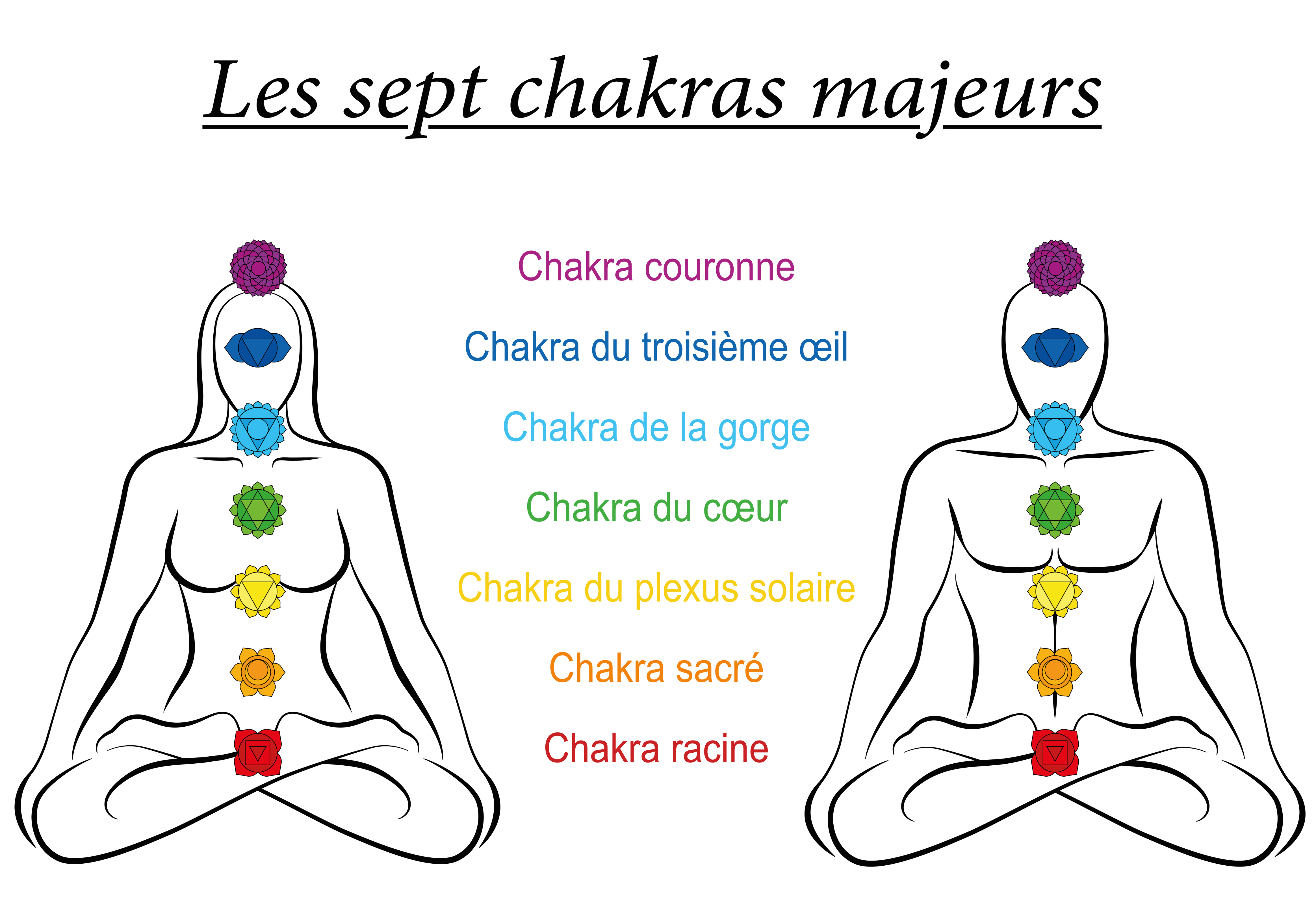
Rhodonite helps balance the root chakra, located at the base of the spine. Its primary function is to ground and root the individual. A balanced root chakra promotes a sense of well-being. The person feels good, safe, and grounded. They are filled with physical vitality, centered, and possess great self-control.
An unbalanced, overactive root chakra makes the person preoccupied with survival. They have a great fear of scarcity. They can be hurtful, selfish, and domineering. They may even become violent and angry. They accumulate all sorts of possessions and money. Furthermore, the person abuses tobacco, alcohol, and drugs.
An unbalanced, underactive root chakra makes a person anxious and distressed. They are constantly afraid for their survival. They think endlessly about death and financial insecurity. They imagine being abandoned and losing their job. They live in a state of perpetual stress and anxiety. They suffer from a profound lack of self-confidence, are ungrounded, and struggle to concentrate.